An editorial guide to how responsible forestry, ethical craftsmanship, and thoughtful finishes shape the furniture you treasure. From forest to finish, and from artisan to showroom, discover terms, certifications, and practical care that extend the life of wood pieces—an ode to value, craft, and longevity.
In the world of wood furniture, every piece begins with a living tree and ends as a tangible object that houses memory and daily life. The journey from forest to showroom is a complex choreography of ecological stewardship, supply-chain governance, and artisanal skill. Sustainable sourcing is not a buzzword; it is a framework that honors ecosystems, workers, and the lasting value of crafted goods.
At its core, sustainable sourcing asks: Where did this wood come from? How was it harvested? What standards govern its journey? The answers shape design decisions, durability, and the environmental footprint of a piece. When designers and brands commit to responsible sourcing, they create products that age gracefully—like fine wine or a well-built wardrobe—while supporting forests for future generations.
Key concepts to understand:
Certifications act as independent assurances that a product’s material footprint aligns with credible environmental and social standards. They help consumers distinguish sincerity from marketing glow. Among the most influential labels in the wooden furniture world are those that certify forest stewardship, responsible milling, and traceable supply chains.
FSC (Forest Stewardship Council) is widely recognized for promoting responsible forest management through third-party audits and chain-of-custody tracking. Look for FSC-certified wood to know that your piece originated from forests that protect biodiversity, respect indigenous rights, and maintain ecological balance.
Other certifications may include regional or programmatic schemes that emphasize lifecycle assessment, low-VOC finishes, and social responsibility in the milling and finishing stages. When brands like Maple Corner Woodworks or Vermont Furniture Designs cite certifications, they signal a commitment to transparent practices and durable design.
Sustainability is a habit of mind as much as a set of standards. The lifecycle of a wooden piece encompasses its origins, the finish that seals and protects it, its daily use, and the possibilities for repair or refurbishment. A well-conceived finish—water-based, low-VOC, or naturally durable oils—reduces harmful emissions and preserves the wood’s character. A furniture piece designed for repairable joinery and accessible parts can be restored rather than discarded, extending its life far beyond a single trend.
Practical takeaways for thoughtful design and purchase decisions:
Care is a ritual that preserves the beauty and function of wood. Regular dusting with a soft cloth, avoiding direct sunlight, and maintaining stable humidity levels help prevent warping, cracking, and dulling of finishes. When a finish shows wear, touch-up repairs can be seamless if the piece was finished with a compatible product. A well-cared-for wooden piece becomes a heirloom in the making.
The care conversation also extends to environmental responsibility. Using cleaners and polishes formulated for wood that do not accumulate residue or damage the finish supports longevity. For woods finished with natural oils or water-based sealants, reconditioning with appropriate oils or waxes can revitalize the surface without compromising the finish’s integrity.
Ethical sourcing is not theoretical. It plays out in real studios and showrooms where designers source from forests that embrace conservation and communities that benefit from sustainable practices. Consider these examples as models of what responsible sourcing can look like in practice:
Three individuals, from distinct eras, illuminate the enduring dialogue between craft, value, and responsibility. Their stories anchor the Vogue-like cadence of this narrative, weaving history with contemporary practice.
Contemporary designers and artisans carry forward the legacy of sustainable sourcing with a modern lens. These voices—often working at the intersection of design, forestry, and environmental stewardship—remind us that beauty and responsibility are not mutually exclusive.
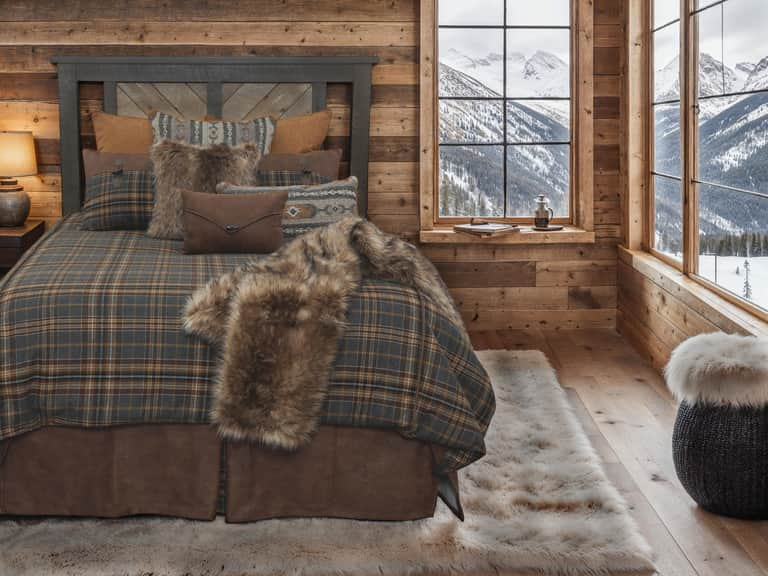
A lodge-inspired, timeless ensemble that embodies comfort, durability, and a touch of rugged elegance. The Kinsale Oxford Value Set blends a rich wool plaid with warm faux leather accents, offering a bold yet inviting focal point for a bedroom. Nougat fabric adds warmth and a tactile softness, while welting and toggles finish the look with thoughtful detailing. This set is a modern nod to traditional craftsmanship—a cozy anchor that ages with grace.
Product Spotlight
Wooded River
A lodge-inspired ensemble featuring wool plaid, faux leather accents, and nougat tones. Designed for warmth, texture, and enduring comfort, with welting and toggles that accentuate the craftsmanship.
Details
Note: Availability and exact finishes can vary by season. The product shown is representative of Wooded River’s approach to durable, craft-forward design.
Gold and wood—two materials synonymous with value and function—become a guiding metaphor for this site: a place where credible information, artisanal craft, and sustainability converge. The aim is to demystify certifications, illuminate provenance, and offer practical guidance for care and longevity. In a world saturated with disposable goods, the promise of enduring, responsibly sourced furniture feels like a quiet revolution—an invitation to invest in pieces that tell a story and stand the test of time.
This article has threaded a modern Vogue sensibility through the language of sustainability: refined, confident, and aspirational, while remaining rooted in evidence, craft, and care. The narrative is anchored by historical voices, contemporary practitioners, and a celebrated product—an homage to the timeless elegance of furniture that is built to endure, inside and out.