Bedding • Materials guide
Silk or Cotton Sheets? How Fiber and Weave Shape Everyday Comfort
The right sheet is less about a label than the way a fabric meets your skin, handles warmth, and fits into the rhythm of your week. Silk and cotton each have a distinct appeal; understanding fiber, weave, and care makes the choice more personal—and more practical.
Sheets are among the most intimate textiles in a home. They touch the skin for hours at a time, frame the bed each morning, and go through repeated cycles of washing and drying. Choosing between silk and cotton, then, is not simply a question of which fabric sounds more luxurious. It is an exercise in noticing what you value: a cool, crisp surface, a fluid and smooth hand, easy laundering, or a more deliberate care routine.
Fiber is part of the story, but weave is just as important. Cotton can feel crisp or softly lustrous depending on how its yarns are interlaced. Silk is prized for its smoothness and drape, yet its particular qualities come with different handling needs. Neither is universally superior. The better choice is the one that feels inviting night after night and suits the way you actually care for bedding.
For a considered comparison, look beyond thread-count claims and broad promises about sleep. Start with the fiber content, ask how the fabric is woven, and read the care label. Those details offer a clearer picture of everyday comfort than a single number or a glamorous description.
Cotton: familiar, breathable, and shaped by its weave
Cotton is a natural plant fiber used in bedding for its versatility and familiar feel. It can be woven into fabrics that range from crisp and matte to smooth and softly gleaming. The finished sensation depends on several factors: the length and quality of the fibers, the yarn, the weave, the finishing process, and how the sheets are laundered over time.
Among the best-known cotton constructions is percale. Its plain weave places threads in a straightforward over-under pattern, producing a balanced, matte surface. Good cotton percale is often described as crisp, light, and cool to the touch. That sensation makes it a favorite for people who enjoy a freshly made bed with a clean, tailored finish rather than a silky slip across the skin.
Percale’s appeal is not limited to appearance. Its airy, uncomplicated structure can feel comfortable to sleepers who dislike heavy or clingy bedding, though the experience depends on the fabric’s weight, room temperature, and personal preference. A crisp sheet may soften with use and washing, but its basic character remains distinct from the fluid feel of silk or the sheen of sateen-woven cotton.
Cotton sateen is another common option. Its weave exposes more yarn surface, which can create a smoother, slightly lustrous feel and a graceful drape. Sateen may feel warmer or more enveloping than percale to some sleepers. This is not a strict rule: fiber quality, fabric weight, and the surrounding sleep environment all matter. Still, the comparison is useful when deciding whether “cotton” means crisp and airy to you, or smooth and substantial.
Thread count is often given a starring role in bedding descriptions, but it should not be treated as a complete measure of quality. It counts threads within a given area, and different yarns and manufacturing choices can affect how meaningful the number is. Fiber quality, weave, finishing, and construction also shape feel and durability. A thoughtfully made percale with a moderate thread count may be more appealing than a higher-count fabric that feels dense or lacks the texture you want.
Silk: a smooth surface with a distinctive character
Silk is a natural protein fiber made by silkworms. In bedding, mulberry silk is a familiar variety, valued for its smooth surface, delicate sheen, and fluid drape. Against the skin, it can feel markedly different from cotton: less crisp, more slippery, and quietly luxurious without relying on a thick or weighty hand.
Some sleepers are drawn to silk because its surface feels gentle and cool at first touch. Silk is often described as temperature regulating, but that phrase should not be mistaken for a promise that it will keep every sleeper at an ideal temperature in every climate. Perceived warmth depends on the sheet’s weight, the room, pajamas, duvet, mattress, and an individual’s own comfort. The most useful test is whether the fabric feels pleasant in your real sleeping conditions.
Silk’s smoothness can also be a tactile preference in its own right. People who find the texture of crisp cotton too dry or textured may appreciate silk’s fluid hand. Others may prefer cotton precisely because it has more structure and less slip. Sensitivity to surface feel is highly individual, so fabric descriptions can narrow the field, but they cannot substitute for knowing what you enjoy.
Silk’s refined appearance comes with a more considered approach to care. Delicate washing, mild detergent formulated for silk, cool temperatures, and air drying are commonly recommended, though the manufacturer’s instructions should always take precedence. Rough handling, high heat, harsh chemicals, and prolonged exposure to direct sun can compromise delicate fibers or their finish. Silk rewards attention, but it is not the most carefree choice for a household that wants every sheet to go through a standard hot wash and tumble-dry cycle.
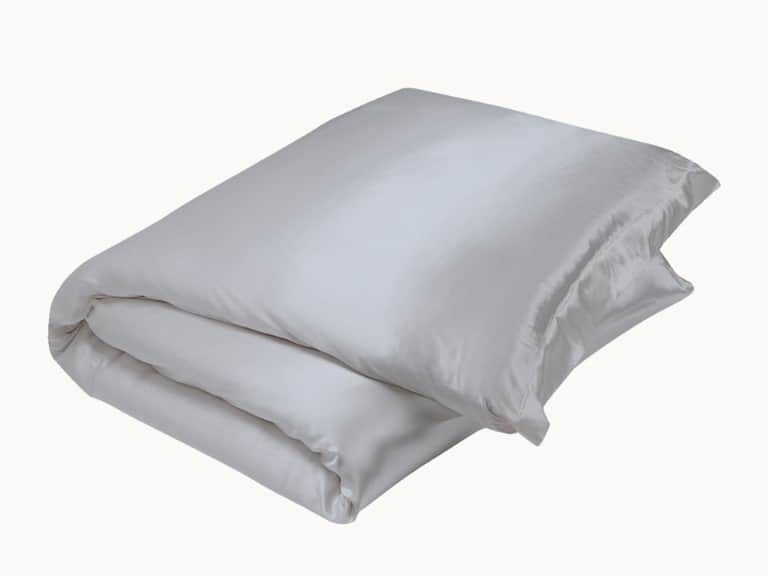
It is also worth distinguishing sheets from other silk bedding. A silk pillowcase or duvet cover does not tell you how a silk flat sheet will feel or fit, and product construction varies. Check the stated fiber content, weight, dimensions, closure or hem details, and care directions for the exact item under consideration. A beautifully coordinated bed is useful only if each layer works for your routine.
Silk versus cotton at a glance
The comparison becomes clearer when it is grounded in daily use rather than a hierarchy of luxury. Both fibers can make appealing bedding; the differences are primarily about touch, structure, and maintenance.
- Surface feel: Cotton percale tends toward crisp and matte; silk is characteristically smooth and fluid. Cotton sateen offers a smoother alternative within the cotton family.
- Drape: Silk generally falls with a soft, flowing line. Percale tends to hold a more structured, tailored look.
- Care: Many cotton sheets are designed for routine machine washing, although the label matters. Silk usually calls for gentler washing and air drying.
- Everyday resilience: Cotton is often easier to incorporate into frequent laundering. Silk can be durable when cared for appropriately, but it is less forgiving of rough treatment and high heat.
- Style: Percale lends the bed a relaxed, crisp finish; silk brings a subtle sheen and a more fluid, polished impression.
These are tendencies, not guarantees. A light cotton sateen may feel different from a heavier one, and silk fabrics also vary in weight and construction. The label and the actual hand of the fabric remain essential.
How to choose for your sleep preferences
If you love a crisp, clean bed
Cotton percale is a natural place to begin. Its matte finish and structured feel suit a bed that looks neat without appearing glossy or formal. If you find that new percale feels too crisp, consider how it may soften with laundering and whether the fabric weight feels comfortable to you. The phrase “crisp” should mean pleasantly fresh, not stiff or scratchy.
If you prefer a smooth, fluid surface
Silk may suit a preference for a polished touch and graceful drape. Before choosing it, be honest about the maintenance involved. If you enjoy following a delicate wash routine and have space to air-dry bedding, silk can fit naturally into your habits. If laundry needs to be fast and uncomplicated, its care requirements may become a frustration rather than a pleasure.
If you want softness but prefer simpler upkeep
Consider cotton sateen as a middle ground. It remains cotton, but its weave creates a smoother feel than percale. This can offer a more supple surface without committing to silk’s particular care needs. The trade-off is that sateen does not have the same crisp, matte character, and its hand may feel more substantial to some people.
If your preferences change with the season
You do not have to make one fabric serve every month. Some households use crisp percale in warmer seasons and choose a smoother or more substantial sheet when they want a cozier bed. Room heating, duvet weight, sleepwear, and personal temperature perception all influence comfort. A seasonal rotation can be more effective than expecting a single fabric to solve every temperature preference.
The care-label conversation
Good sheet care begins before the first wash. Check the manufacturer’s directions for water temperature, detergent, drying, and ironing. A fabric’s fiber content does not always tell the whole story: dyes, finishing, stitching, and any blends can affect the recommended method. When in doubt, follow the care label rather than applying a general rule from another set of sheets.
For cotton, washing before use can help remove finishing residues and settle the fabric into its familiar hand. Use a suitable detergent and avoid overloading the machine; crowded fabric cannot move and rinse as freely. High heat may be convenient, but it can contribute to wear, shrinkage, or a tired finish over time. A moderate wash and low-heat drying, when permitted by the label, are often kinder to bedding.
Silk calls for a gentler rhythm. Use a mild liquid detergent intended for delicate silk when recommended, select a delicate cycle and cool water if machine washing is permitted, and avoid bleach or fabric softener unless the care instructions specifically allow them. Air-drying is generally preferable to high-heat drying. A cool iron may be suitable for some silk, but check the label and test cautiously; heat can damage delicate fibers.
For both fibers, prompt attention to spills and regular laundering help keep bedding feeling fresh. The exact washing schedule depends on household needs, climate, and personal preference. Store clean sheets fully dry, away from direct sunlight and excessive dampness. A simple rotation between sets reduces the strain on any one sheet and makes careful laundering easier to manage.
A more thoughtful way to shop for sheets
Start with the information that is easiest to verify. Look for clear fiber labeling rather than relying on broad terms such as “silky,” which may describe a finish or sensation rather than actual silk content. Review the weave, dimensions, pocket depth if buying a fitted sheet, and the care instructions. These practical details help prevent disappointment after the bed is made.
Then consider the full bedding arrangement. A sheet should work with the mattress, mattress protector, duvet, and the room’s general temperature. A smooth silk layer under a heavier cover can feel quite different from a lightweight percale set used with a thin summer blanket. The sensation of the bed is created by the combination, not by one fabric in isolation.
Finally, think about longevity in terms of use, not just the first impression. A fabric that feels beautiful but requires care you will not realistically provide may not be the right purchase. Equally, choosing the easiest option is not always necessary if the ritual of maintaining delicate bedding is part of its appeal. The best sheets are those you reach for, wash appropriately, and continue to enjoy.
Responsible material choices also benefit from specificity. Look for transparent descriptions of fiber, manufacturing, and any certifications that matter to you, and verify the scope of any claim. Sustainability is influenced by cultivation or production, processing, transport, durability, and care. No single adjective can summarize a textile’s full impact, but a longer usable life and well-informed maintenance are meaningful parts of the equation.
A final word on comfort
Silk and cotton offer different answers to the same intimate question: what should the bed feel like when the lights go out? Cotton percale brings a cool, crisp, quietly tailored mood. Cotton sateen softens that structure into a smoother, more lustrous surface. Silk offers a fluid touch and a refined sheen, balanced by a more delicate care routine.
There is no universal winner, and a premium price does not guarantee a better night’s rest. Fiber, weave, fabric weight, fit, room conditions, and personal tactile preference all play a part. If you are unsure, begin with the quality you notice most: crispness, smoothness, easy washing, or a particular drape. From there, the right sheet is less a trend purchase than a small, daily expression of how you want to live.
Quick guide
- Choose cotton percale for a crisp, matte feel and a more structured bed.
- Explore cotton sateen if you want a smoother cotton surface with a soft sheen.
- Consider silk for its fluid drape and smooth hand, provided its care routine suits you.
- Read the exact care label; washing and drying guidance varies by product.
- Prioritize fiber, weave, fit, and the feel you enjoy over thread count alone.